Will Home Prices Go Up or Down in San Jose?
San Jose Housing Market & Best Time to Buy or Sell

San Jose Housing Market & Best Time to Buy or Sell
By Zaid Hanna, Broker, Real Estate 38 · CA DRE #01421581 · Published December 16, 2025
This is one of the most common — and most emotional — questions buyers and sellers ask.
Every week I hear:
“Should I wait for prices to drop?”
“Did I miss the bottom?”
“Are prices about to crash?”
“Should I sell now or hold on?”
The truth is: San Jose does not behave like the national housing market.
Prices here move based on local supply, local demand, and tech-driven income, not headlines.
This guide breaks down what actually drives San Jose home prices, what’s happening now, and how to think about timing intelligently.
For a full market overview, start here:
👉 https://re38.com/san-jose-housing-market-guide
The median single-family home sold for $1,615,000 in October 2026, down 0.9% from a year earlier, at 101.7% of list price after about 27 days on market. Active single-family listings were +64.2% year over year (519 vs. 316). The condo median was $720,000 (-12.5%).
Source: MLSListings data for the City of San Jose. See our San Jose housing market report for neighborhood-by-neighborhood figures.
San Jose home prices are influenced by five primary factors:
Tech employment & income levels
Inventory (homes for sale)
Buyer demand
Interest rates
Local micro-markets & school districts
Unlike many U.S. markets, San Jose has:
limited land
strong job concentration
high household incomes
long-term housing undersupply
This creates price stability, even during slower periods.
Historically, San Jose pricing behaves like this:
Prices rise aggressively during strong tech cycles
Prices flatten or dip during rate spikes or uncertainty
Prices stabilize quickly once buyers adjust
Large crashes are rare and short-lived
Even during corrections, San Jose prices tend to:
pause
reprice selectively
shift power between buyers and sellers
They do not collapse across the board.
Real estate markets typically move through four phases:
Demand rises, prices increase, and homes sell quickly.
Prices stabilize and competition slows slightly.
Inventory increases and buyers gain negotiating power.
Demand gradually returns and prices stabilize before rising again.
These phases don’t happen overnight — they often unfold over several years.
The most important indicator of future price movement is inventory.
When inventory is:
Low → prices rise
Balanced → prices stabilize
High → prices soften
San Jose typically operates with chronic undersupply, especially in desirable neighborhoods like:
This limited supply acts as a floor under prices.
To understand neighborhood-level differences, explore:
👉 https://re38.com/neighborhoods/san-jose
Interest rates do not determine what homes are worth — they determine how many buyers can participate.
When rates rise:
demand slows
competition eases
buyers gain leverage
When rates fall:
demand surges
competition increases
prices face upward pressure
That’s why price dips during high-rate periods are often temporary.
For affordability context, review:
👉 https://re38.com/san-jose-home-loan-mortgage-guide
Beyond inventory and interest rates, these local indicators show where San Jose prices are heading:
Pending sales show how many homes are currently under contract.
A rising number of pending sales often indicates:
When pending sales slow, it can suggest buyers are becoming more cautious.
Days on Market measures how quickly homes are selling.
Shorter DOM typically means:
Longer DOM may indicate:
DOM trends often change before prices do, making it a valuable early signal.
This metric compares the final sale price to the original list price.
Examples:
• 105%+ of list price → strong seller leverage
• 100% of list price → balanced market
• Below list price → buyers gaining negotiating power
Tracking this ratio helps reveal how competitive the market truly is.
San Jose’s housing market is heavily influenced by:
Strong job growth often supports housing demand, while major layoffs can temporarily slow activity.
National headlines often say:
“Housing market cooling”
“Prices falling”
“Buyers pulling back”
But they usually reference:
Midwest markets
Sunbelt overbuilding
Areas with excess supply
San Jose does not follow those patterns.
Local data matters more than national narratives.
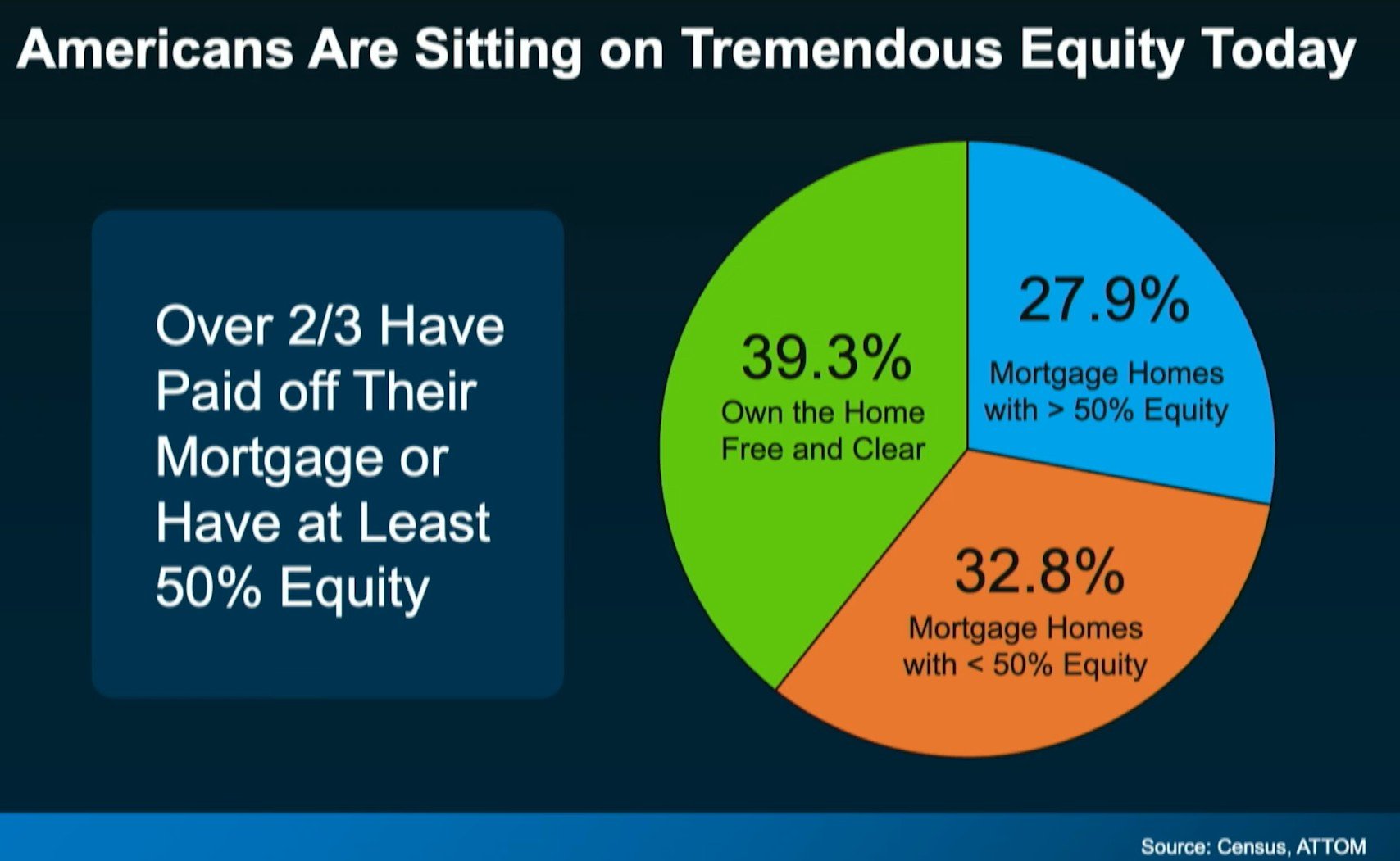
A housing crash requires forced selling, and the data doesn’t point that way:
A housing crash requires forced selling — and the data simply doesn’t support that scenario.
Nationally:
In the Bay Area, equity levels tend to be even stronger due to long-term ownership and constrained supply.
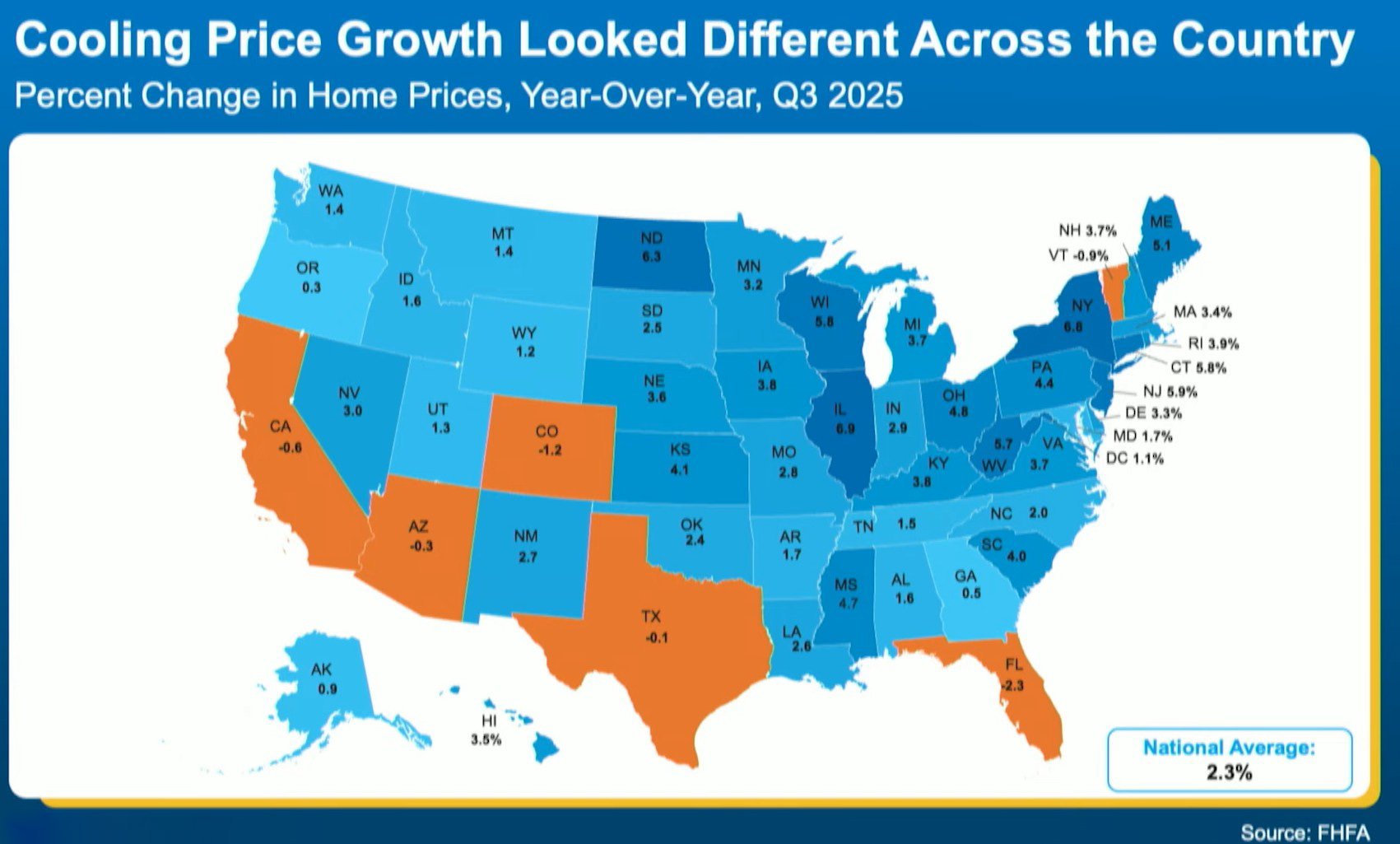
Price adjustments are not happening evenly.
Markets that exploded during COVID — particularly parts of the Sunbelt — are seeing larger pullbacks. Supply-constrained, job-dense markets like the Bay Area are correcting far more moderately.
This is why national headlines are misleading when applied locally.
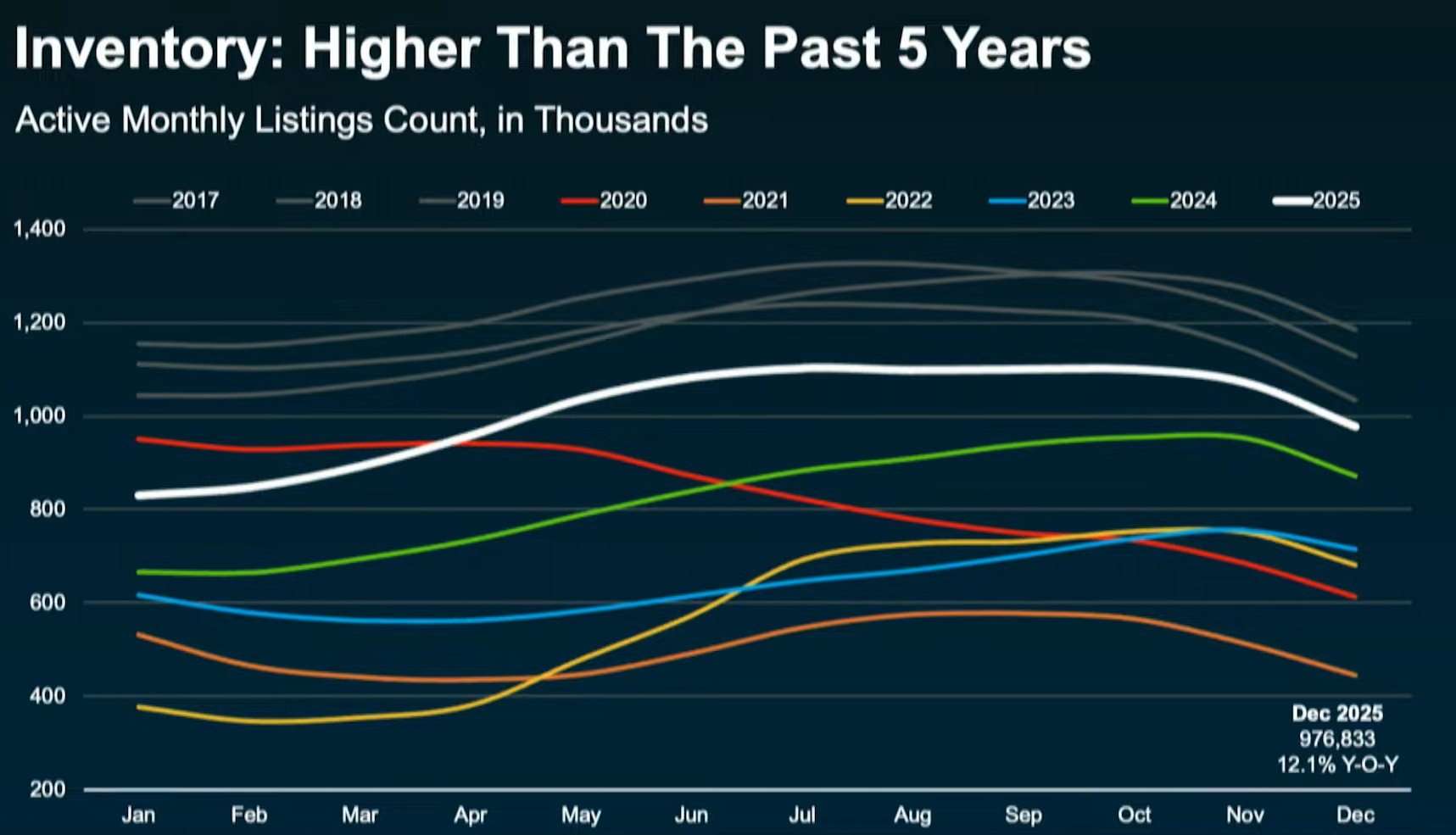
Inventory is now higher than the past five years, but context matters.
This is not distressed inventory. It’s normalization:
Healthy inventory gives buyers leverage and forces sellers to price correctly.
If you prefer to see the data and hear the full explanation, I walk through everything in detail in this video — including charts, forecasts, and what buyers and sellers should be doing differently in 2026.
👉 Watch the full Bay Area market forecast here:
In the current market, we’re seeing:
selective price adjustments
strong demand for well-priced homes
slower movement for overpriced listings
buyers negotiating more confidently
sellers needing better strategy
This is a pricing and strategy market, not a crash market.
Homes that are:
well-located
properly priced
well-presented
are still selling strongly.
Here’s the reality:
you’re stretching financially
you need maximum leverage
you plan to buy short-term
you plan to own long-term
you have stable income
you’re buying in a strong neighborhood
you’re concerned about rising competition later
Timing the exact bottom is nearly impossible.
Buying the right home at the right price matters more than buying at the perfect moment.
Buyers today benefit from:
more negotiation power
fewer bidding wars
better inspection opportunities
more thoughtful decision-making
This is often the best window for disciplined buyers.
If you’re actively buying, review the full process here:
👉 https://re38.com/san-jose-home-buying-process-guide
Sellers need:
accurate pricing
strong presentation
data-backed strategy
The days of “list high and wait” are gone — but serious sellers still succeed.
If you’re considering selling, start here:
👉 https://re38.com/sell-your-home-san-jose-guide
Instead of guessing where prices are going, focus on:
your timeline
your goals
your comfort level
your specific neighborhood
That’s where real clarity comes from.
If you want to talk through your situation, I’m happy to help.
Let’s talk through your numbers, your goals, and today’s market so you can make a confident decision — without pressure or hype.
Zaid Hanna
408-515-1613
www.re38.com
Stay up to date on the latest real estate trends.

November 20, 2026

November 18, 2026

November 16, 2026

November 13, 2026
November 11, 2026

November 9, 2026
You’ve got questions, and we can’t wait to answer them.