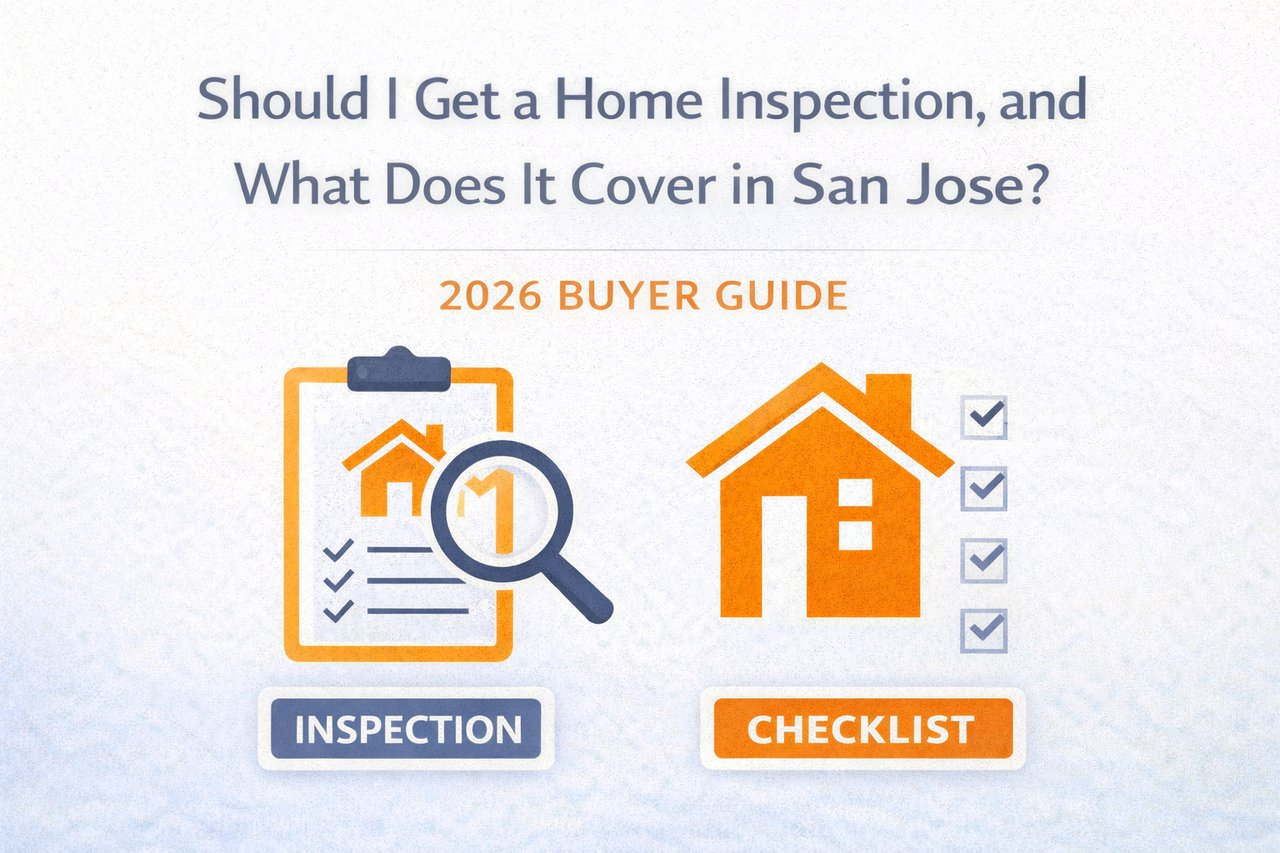
Should I Get a Home Inspection, and What Does It Cover in San Jose? (2026 Guide)
Home Buying Process: Step-by-Step Guides for San Jose Buyers
Home Buying Process: Step-by-Step Guides for San Jose Buyers
After your offer is accepted, one of the most important steps in the buying process is the home inspection.
Many buyers ask:
“Do I really need a home inspection?”
“What does it actually cover?”
“What happens if the inspector finds problems?”
“Can I cancel the deal if something looks serious?”
In San Jose, inspections are a critical protection tool — especially in a market where homes can be older, remodeled multiple times, or sold with limited warranties.
This guide explains why home inspections matter, what they typically cover, and how buyers use inspections to make smart decisions in 2026.
For a full overview of the buying process, start here:
👉 https://re38.com/san-jose-home-buying-process-guide
A home inspection is a professional evaluation of a property’s physical condition.
A licensed home inspector reviews visible and accessible components of the home, helping buyers understand:
current condition
safety concerns
deferred maintenance
potential future costs
Inspections are designed to inform — not scare — buyers.
A standard home inspection in San Jose usually includes:
roof and attic
foundation and structure
plumbing systems
electrical systems
HVAC (heating and cooling)
walls, ceilings, floors, and windows
appliances (basic operation)
drainage and grading
Inspectors document findings in a detailed report, often with photos and recommendations.
It’s just as important to understand the limits of an inspection.
Most inspections do not include:
cosmetic issues
code compliance verification
underground plumbing unless scoped separately
mold testing (unless ordered separately)
invasive or destructive testing
This is why additional inspections may be recommended depending on the home.
Depending on the property, buyers may also consider:
pest inspection
roof inspection
sewer lateral inspection
chimney inspection
pool or spa inspection
Your agent should help determine which inspections make sense based on the home’s age, location, and condition.
Inspections typically occur:
after the offer is accepted
during the inspection contingency period
before appraisal and contingency removal
Timing is important — inspections are one of your primary protection windows as a buyer.
For context on how inspections fit into escrow, see:
👉 https://re38.com/blog/what-happens-after-my-offer-is-accepted-san-jose
Almost every home has issues — the question is how serious they are.
After reviewing the inspection report, buyers may:
proceed as-is
request repairs
ask for credits
renegotiate price
cancel the contract if protected by contingencies
Not every issue is a deal-breaker, but understanding severity and cost matters.
As long as the inspection contingency is in place:
buyers can renegotiate or cancel
earnest money remains protected
Once contingencies are removed:
buyers typically accept the home’s condition
earnest money becomes non-refundable
Understanding this timing is critical.
For earnest money details, review:
👉 https://re38.com/blog/what-is-earnest-money-how-much-is-normal-san-jose
These two steps are often confused.
Inspection protects the buyer by evaluating condition
Appraisal protects the lender by evaluating value
Both play different roles, and both are important.
For appraisal context, see:
👉 https://re38.com/blog/how-does-the-appraisal-work-what-if-it-comes-in-low-san-jose
In 2026:
inspections are back and expected
buyers have more leverage than during frenzy years
sellers anticipate inspection questions
transparency matters more than speed
Skipping an inspection can expose buyers to unnecessary risk — especially for older homes common in San Jose.
Before waiving or shortening inspections, it’s important to:
understand the property
assess your risk tolerance
review disclosures carefully
consult professionals
I help buyers:
interpret inspection reports
understand what matters vs noise
negotiate fairly and confidently
decide when to move forward — or walk away
👉 If you want help navigating inspections, reach out here:
https://re38.com/contact
A home inspection shouldn’t create fear — it should create clarity.
A short conversation can help you understand what inspections really tell you and how to use them to protect yourself.
Zaid Hanna
408-515-1613
www.re38.com
Stay up to date on the latest real estate trends.

September 23, 2026

September 21, 2026

September 18, 2026
September 17, 2026
September 14, 2026
September 11, 2026
You’ve got questions, and we can’t wait to answer them.