How Do I Determine My Home’s Listing Price in San Jose?
How to Sell Your Home in San Jose: Pricing, Prep & Marketing
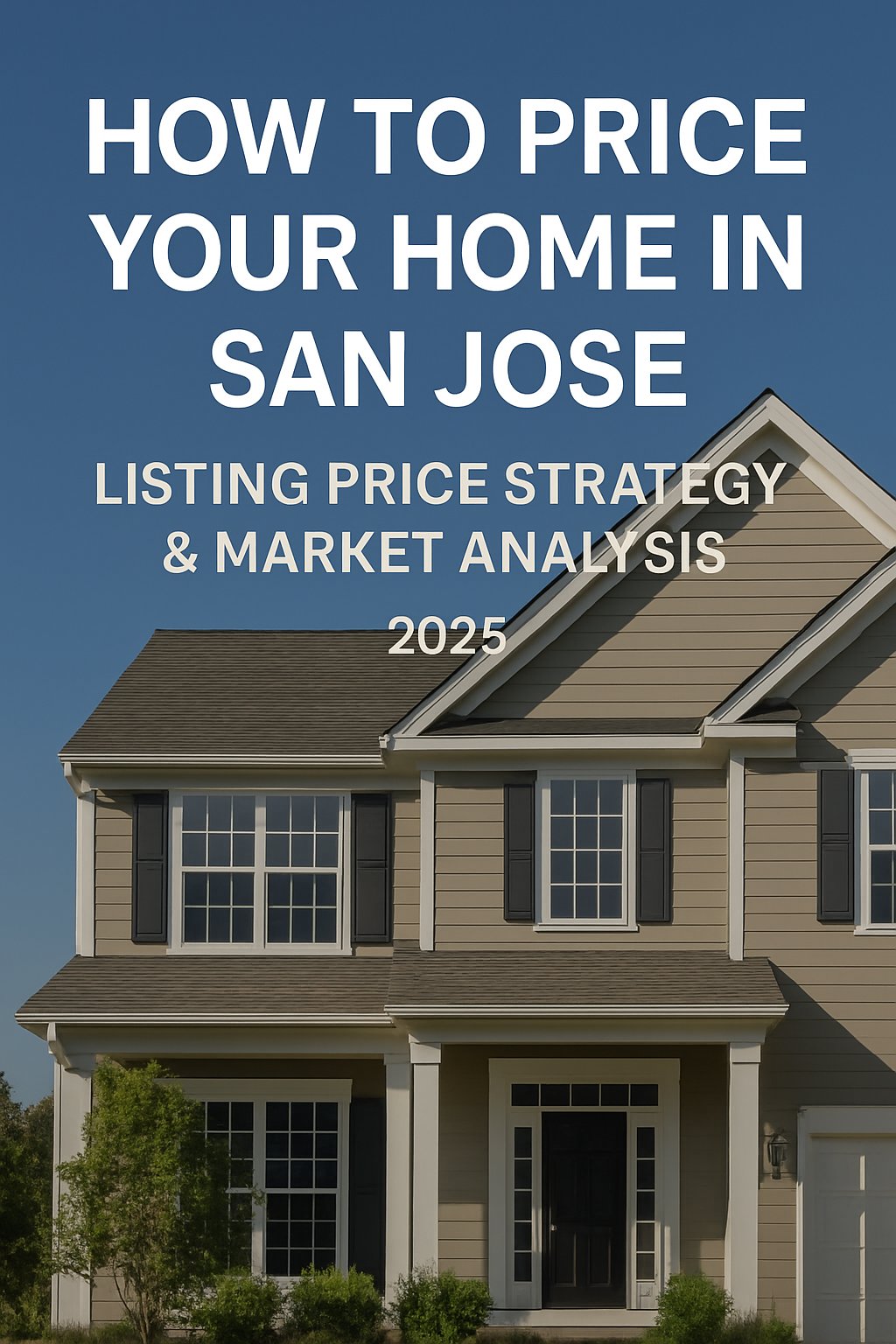
How to Sell Your Home in San Jose: Pricing, Prep & Marketing
Pricing your home correctly is one of the most important decisions you’ll make as a seller — and in a fast-moving, tech-driven market like San Jose, choosing the right price can mean the difference of tens of thousands, or even hundreds of thousands of dollars.
Many sellers rely on online estimates, outdated comps, or emotional value — all of which can lead to overpricing, underpricing, or missed opportunities.
This guide breaks down exactly how pricing works in San Jose, using real data, neighborhood insights, and 17+ years of experience helping over 1,600 families buy and sell in this market.
If you're thinking about selling, start here.
San Jose is not a “normal” housing market. Pricing a home in San Jose requires understanding:
micro-market behavior
school district demand
tech job cycles
inventory levels
pending ratios
condition differences
buyer psychology
A home in Almaden Valley does not behave like a home in Cambrian, Willow Glen, or Evergreen — and your listing price must reflect that.
If you want a complete guide to selling your home, visit:
👉 San Jose Home Selling Guide
San Jose is a city made up of dozens of micro-markets.
Pricing varies dramatically between neighborhoods like:
Evergreen
Blossom Valley
Santa Teresa
Even within each neighborhood, pricing can vary by school district, street, and even which side of the block you’re on.
A market-adjusted price requires analyzing:
✔ active listings
✔ recently sold comps
✔ pending sales
✔ withdrawn/expired listings (pricing failures)
✔ inventory vs demand
✔ price-per-square-foot adjusted for condition
This is the foundation of true pricing.
Buyers compare your home to:
(These set value expectations.)
(These are your real competitors.)
(The most accurate indicator of REAL buyer demand.)
Pending sales tell the truth — they reveal:
what buyers are willing to pay right now
how quickly homes in your range are moving
whether competition is rising or cooling
When I price a home, I start with pending data, not just sold comps.
Pricing is not just numbers — it’s strategy.
Leads to:
fewer showings
low online engagement
stale listing odor
price reductions that scare buyers
weaker negotiation position
Can:
attract multiple offers
create a bidding environment
drive price ABOVE market value
But must be used correctly.
Creates:
urgency
competition
emotional momentum
stronger leverage for the seller
faster sale at a higher net price
Every price sends a message — and serious buyers respond accordingly.
Two homes with the same square footage and lot size can have $150K+ difference in value based on:
updates
layout
natural light
landscaping
curb appeal
staging
interior finishes
If you want guidance on what to fix vs. leave alone before selling, see:
👉 Home Selling Guide
Yes — timing matters.
Spring: highest buyer activity
Summer: relocations + family buyers
Fall: smart buyers entering before the holidays
Winter: low competition + serious buyers
For deeper insight on market timing, read:
👉 San Jose Housing Market Guide
Here are the most common mistakes I see:
Zestimate doesn’t account for condition, upgrades, or micro-markets.
Sellers often compare to homes with:
different schools
different layout
different remodeling level
different side of major streets
Buyers don’t care about your next home’s price — only market value.
Homes with staging/photos/net presentation outperform by 8–14%.
You only get one chance to make a strong entrance.
If you're thinking about selling, your next move is simple:
This includes:
a full micro-market breakdown
a comp set that actually matches your home
buyer demand metrics
active vs pending competitor analysis
a condition-adjusted valuation
This includes:
minor repairs
staging recommendations
photography strategy
marketing timeline
If you want help getting started, reach out anytime:
👉 Contact Me
Schedule a no-pressure home selling consultation.
I’ll analyze your home, your micro-market, and tell you exactly what buyers in today’s San Jose market will pay.
Zaid Hanna
408-515-1613
www.re38.com
Stay up to date on the latest real estate trends.
October 21, 2026
October 20, 2026

October 19, 2026

October 14, 2026
October 12, 2026

October 9, 2026
You’ve got questions, and we can’t wait to answer them.