Selling a San Jose Home With Code Violations
Home Seller
Home Seller
By Zaid Hanna, Broker, Real Estate 38 · CA DRE #01421581 · Published November 2026
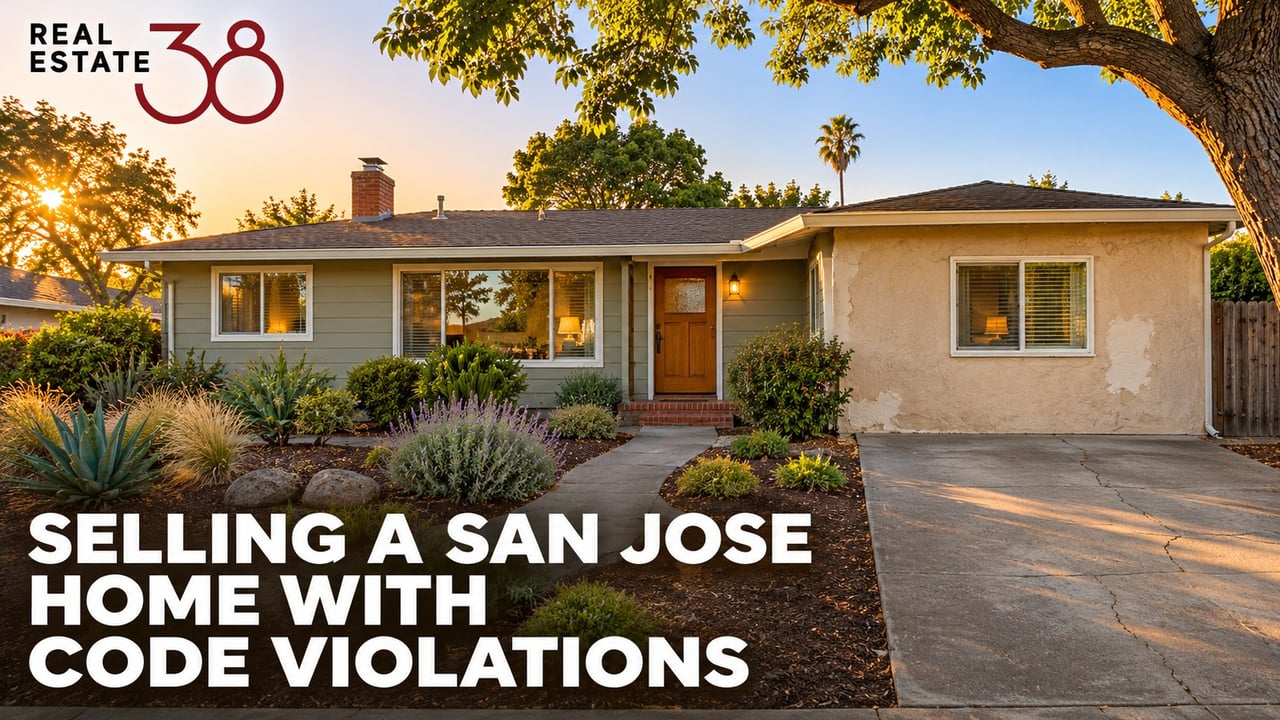
Yes, you can sell a San Jose home with code violations or unpermitted work. You have to disclose what you know, though. Selling as-is doesn't change that. Your real choice is whether to legalize the work, remove it, or price the home for a buyer who will take it on. Start by finding out exactly what the city has on record, because a garage conversion with no permit and an open code case are two very different problems.
Unpermitted work is anything that needed a permit and never got one. Think of a converted garage, an added bathroom or a rewired kitchen. Nobody may have noticed it yet.
A code violation usually means the city has noticed. Code Enforcement has opened a case, often after a complaint or an inspection, and it may have issued a notice telling the owner to fix something. That case stays with the property. San Jose has required permits for construction since 1928. The city's bulletin on how to legalize unpermitted work says a change of ownership doesn't make that work legal, and it warns that insurance may not cover unpermitted improvements.
Most San Jose sellers fill out the Transfer Disclosure Statement, required by California Civil Code Section 1102.6. It asks directly whether you know of room additions, structural changes or repairs made without necessary permits, and whether any work doesn't comply with building codes. If you bought the home within the last 18 months, the form asks for more detail about work done while you owned it.
My advice is simple. If you know about it, disclose it, in plain words. A buyer who learns about a permit problem from your disclosures can price it in. A buyer who finds it after closing is a much bigger problem for you. I walk through the disclosures that most often derail a sale in San Jose disclosure deal killers.
Do this before you list, not after a buyer's inspector asks.
If something doesn't match, you can call a San Jose Code Enforcement inspector at (408) 535-7770. The city says inspectors will talk with owners about how to legalize unpermitted construction.
Selling doesn't make the case go away. Under California Health and Safety Code Section 17991, a sale doesn't end a substandard-housing enforcement action against the owner. If you sell while a violation notice is open, you must record a Notice of Conveyance of Substandard Property with the county within five days, naming the buyer.
In practice, an open case narrows your buyer pool and gives buyers room to push on price. Before you list, I'd ask the inspector exactly what closes the case, what it would cost, and whether any notice has been recorded. Then decide whether to fix it first or sell with it.
There's no single right answer. It depends on what the work is and what it adds.
Unpermitted ADUs have a special path. Under Government Code Section 66311.7, a city generally can't deny a permit for an ADU or junior ADU built before January 1, 2020 just because it doesn't meet today's building standards or ADU rules. It can still require fixes for real health and safety problems. If you have a backyard unit that predates 2020, look into this before you list. Buyers care a lot about ADUs, as I cover in what buyers verify on an ADU.
For the numbers side of this decision, see my breakdown of fixing versus selling as-is in San Jose.
It depends on the buyer. A family using a conventional loan wants certainty, and their lender and appraiser may treat unpermitted square footage differently from permitted space. An investor or contractor may not care as much, but they'll price in the risk and the cost to fix it.
So I price these homes based on what a buyer can actually count on. If the garage conversion can't be called a bedroom on paper, I don't market it as one. Clear disclosures and a repair estimate in hand tend to keep buyers from assuming the worst.
My team and I represent both buyers and sellers in San Jose, so we see this from both sides of the deal. If you're weighing your options, start with my San Jose home selling process.
Yes. California doesn't require you to permit everything before a sale, but you must disclose unpermitted work you know about on the Transfer Disclosure Statement. Many sellers sell as-is with full disclosure. Others legalize or remove the work first to reach more buyers and a higher price.
Not always, but an open enforcement case doesn't end with the sale. Under Health and Safety Code Section 17991, if you sell while a violation notice is open, you must record a Notice of Conveyance of Substandard Property within five days. Talk to the inspector first so you know what closing the case would take.
No. As-is means you won't make repairs. You still have to tell buyers what you know about the property, including work done without permits, on the disclosure forms.
Search your address at SJPermits.org to see every permit pulled for the property. Compare that list with the home's current layout and the county's recorded square footage. You can also call San Jose Code Enforcement at (408) 535-7770 with questions.
Often, yes. For ADUs and junior ADUs built before January 1, 2020, Government Code Section 66311.7 generally prevents a city from denying a permit just because the unit doesn't meet current standards. Health and safety problems still have to be fixed, and you'll need proof of when the unit was built.
Zaid Hanna
408-515-1613
www.re38.com
Stay up to date on the latest real estate trends.
November 11, 2026

November 9, 2026

November 6, 2026

November 4, 2026
November 2, 2026

October 30, 2026
You’ve got questions, and we can’t wait to answer them.