Is the Bay Area Real Estate Market Going to Crash in 2026? A Data-Driven Forecast
both

both
As we move into 2026, one question continues to dominate conversations across the Bay Area:
Is the real estate market going to crash?
Rather than relying on headlines or national fear cycles, the smartest way to answer that question is by looking at real local and national data and understanding how those trends actually impact the Bay Area housing market.
If you prefer to see the data and hear the full explanation, I walk through everything in detail in this video — including charts, forecasts, and what buyers and sellers should be doing differently in 2026.
👉 Watch the full Bay Area market forecast here:
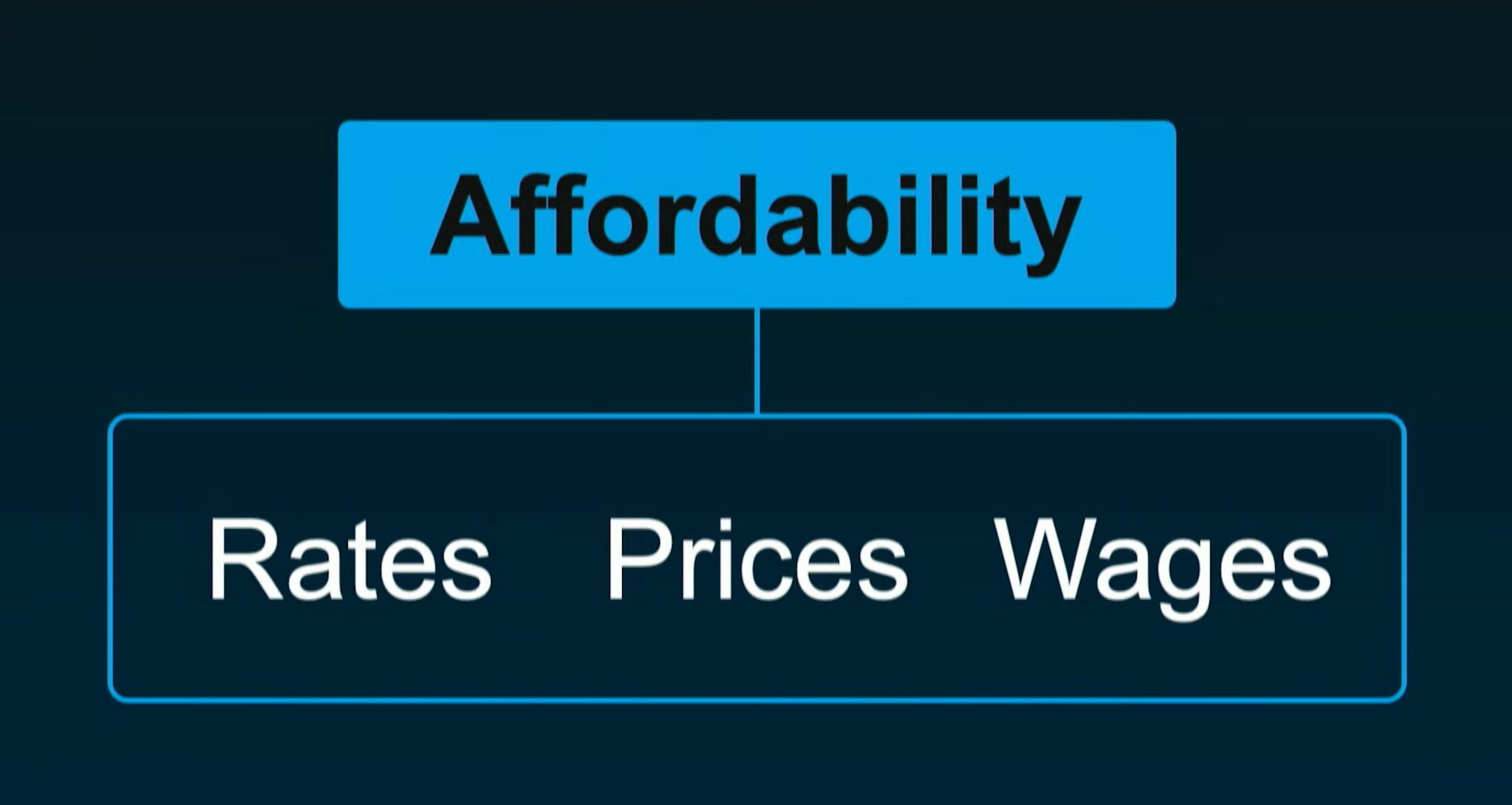
Every major housing conversation today comes back to one word: affordability.
Affordability is driven by three core variables:
Interest rates
Home prices
Wages
When these move in alignment, markets stabilize. When they don’t, markets slow — but slowing does not equal crashing.
At the start of 2025, Bay Area home values rose nearly 10% in the first quarter. That momentum didn’t last.
Several factors reversed those gains:
Economic uncertainty
Stock market volatility
Policy and employment pressure affecting Bay Area tech workers
By the end of the year, prices corrected about 7% — not due to distress, but due to affordability reaching its limit.
A housing crash requires forced selling — and the data simply doesn’t support that scenario.
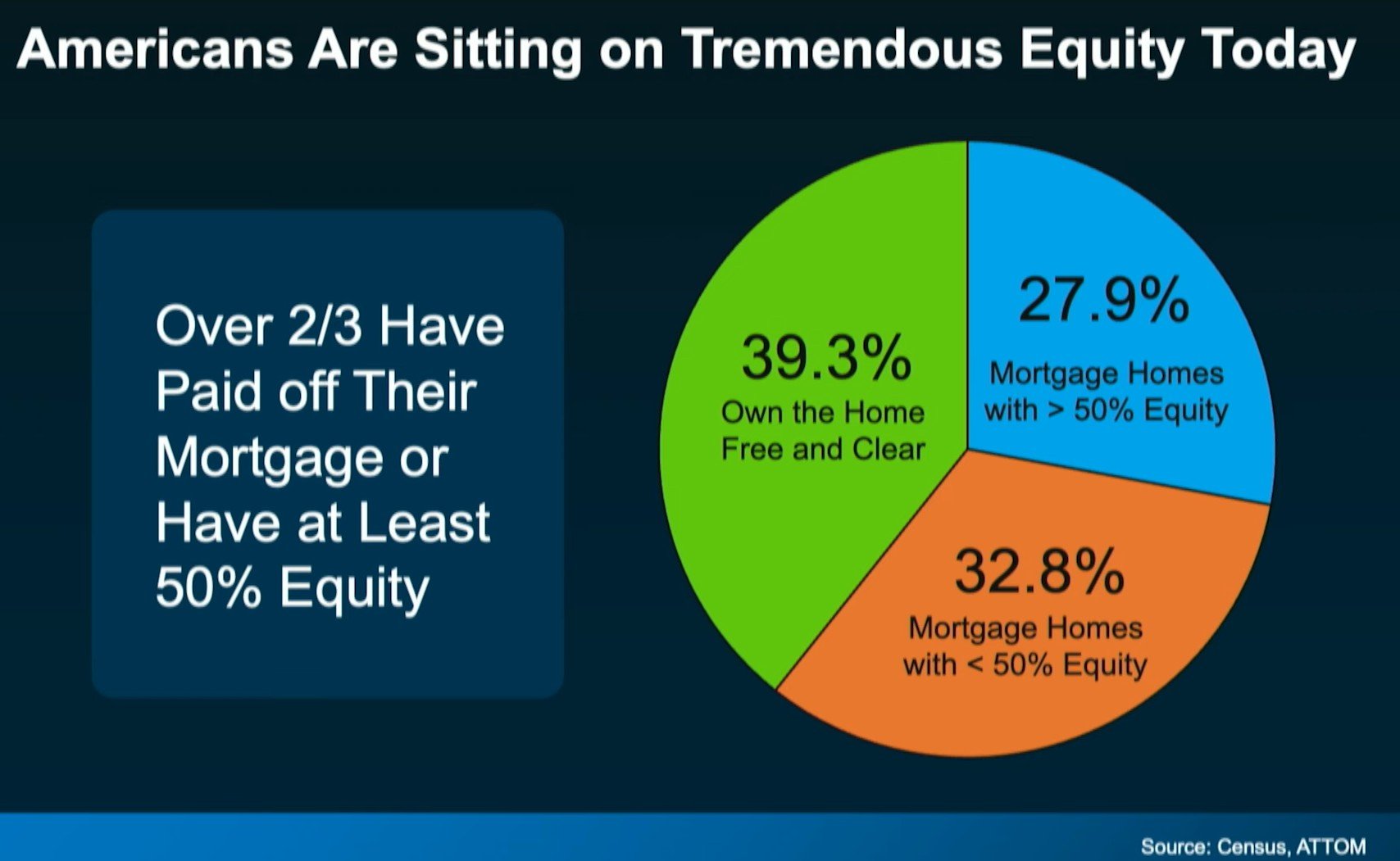
Nationally:
~40% of homeowners own their homes free and clear
~30% have more than 50% equity
Even the remaining homeowners typically hold hundreds of thousands in equity
In the Bay Area, equity levels tend to be even stronger due to long-term ownership and constrained supply.
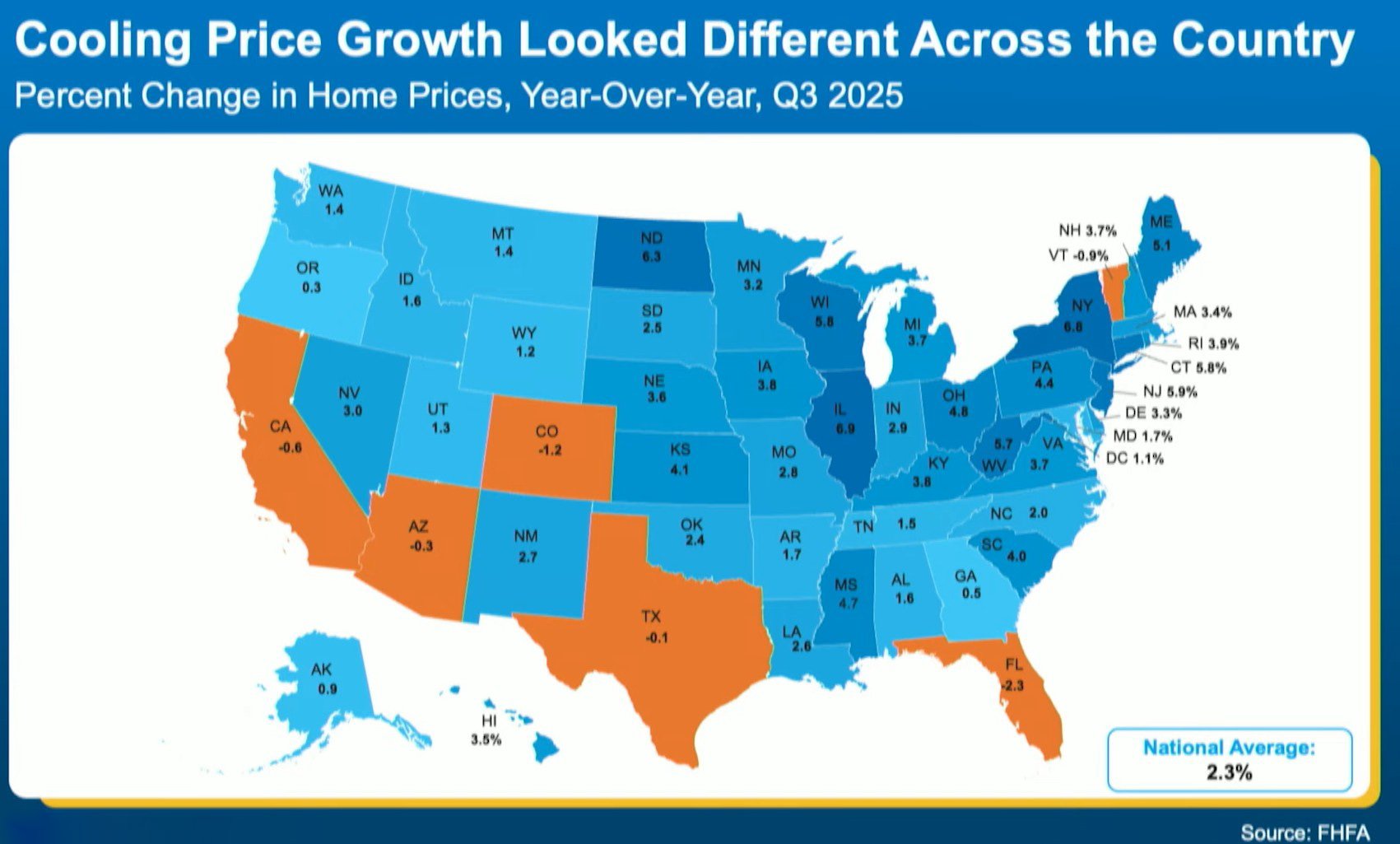
Price adjustments are not happening evenly.
Markets that exploded during COVID — particularly parts of the Sunbelt — are seeing larger pullbacks. Supply-constrained, job-dense markets like the Bay Area are correcting far more moderately.
This is why national headlines are misleading when applied locally.
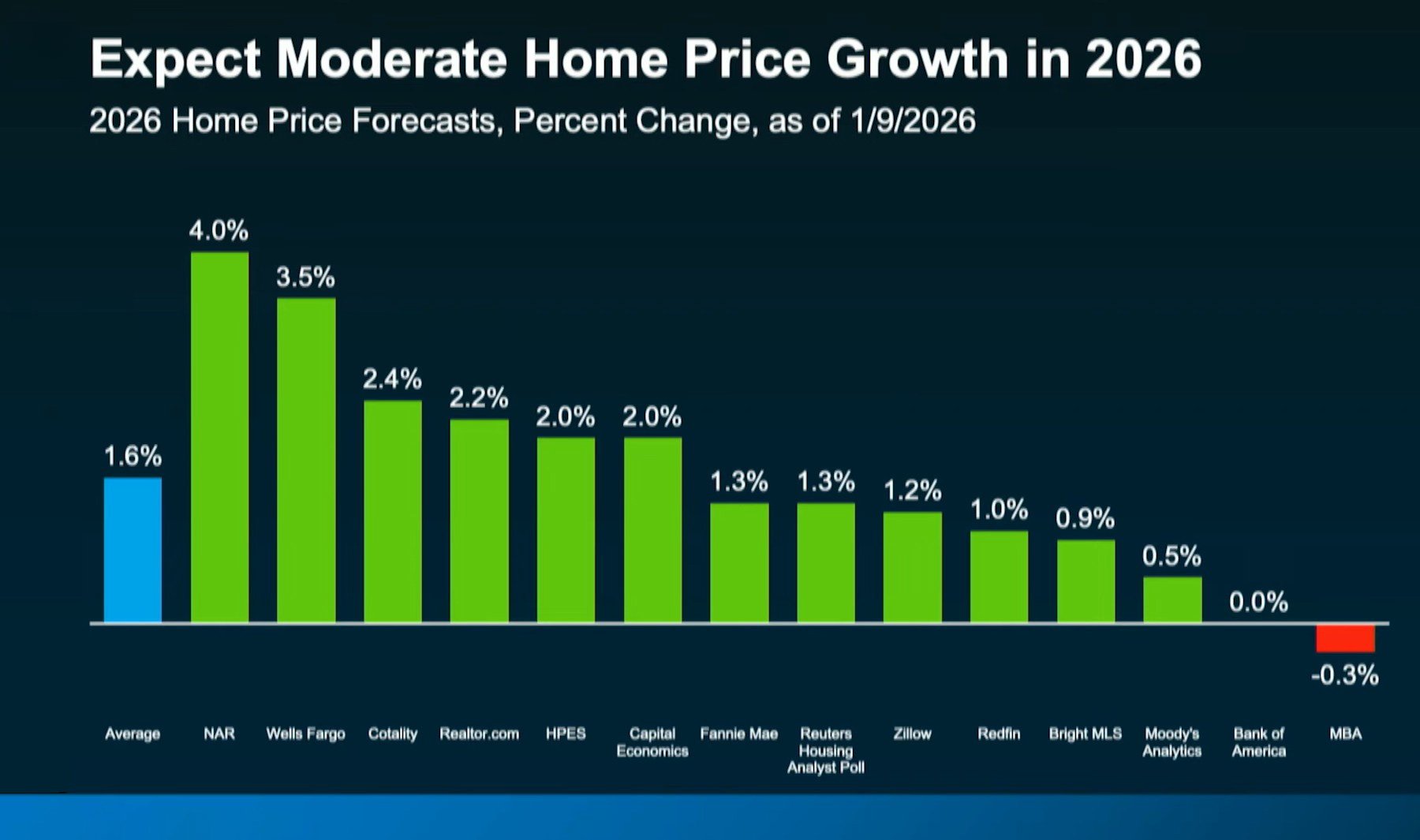
Major institutions including Realtor.com, Fannie Mae, Zillow, Redfin, and Wells Fargo are projecting modest growth nationally, averaging around 1–2%.
For the Bay Area, the expectation is different:
Mostly flat pricing
Seasonal inventory shifts
Increased negotiation opportunities
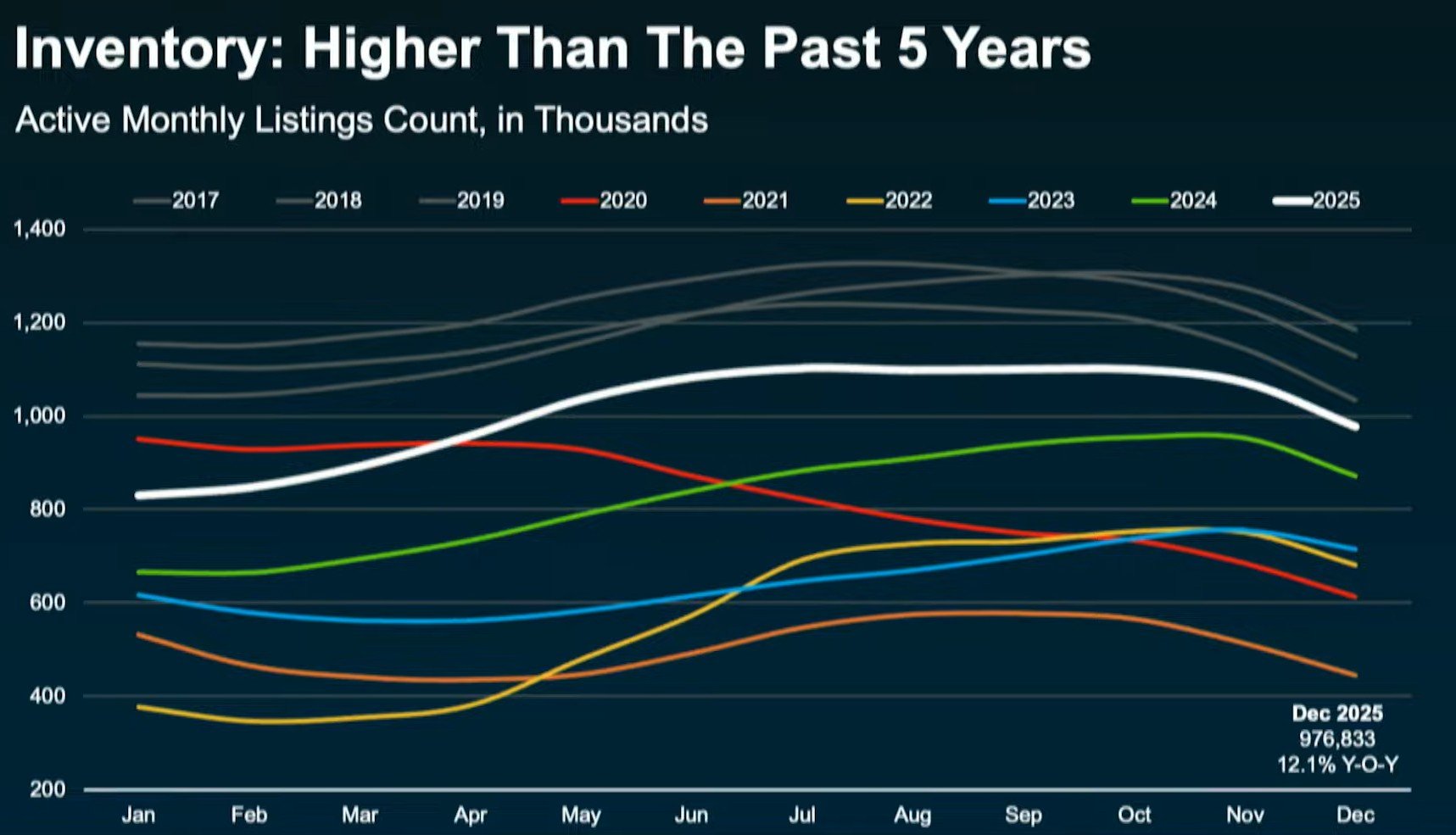
Inventory is now higher than the past five years, but context matters.
This is not distressed inventory. It’s normalization:
More options for buyers
Less urgency
Fewer bidding wars
Healthy inventory gives buyers leverage and forces sellers to price correctly.
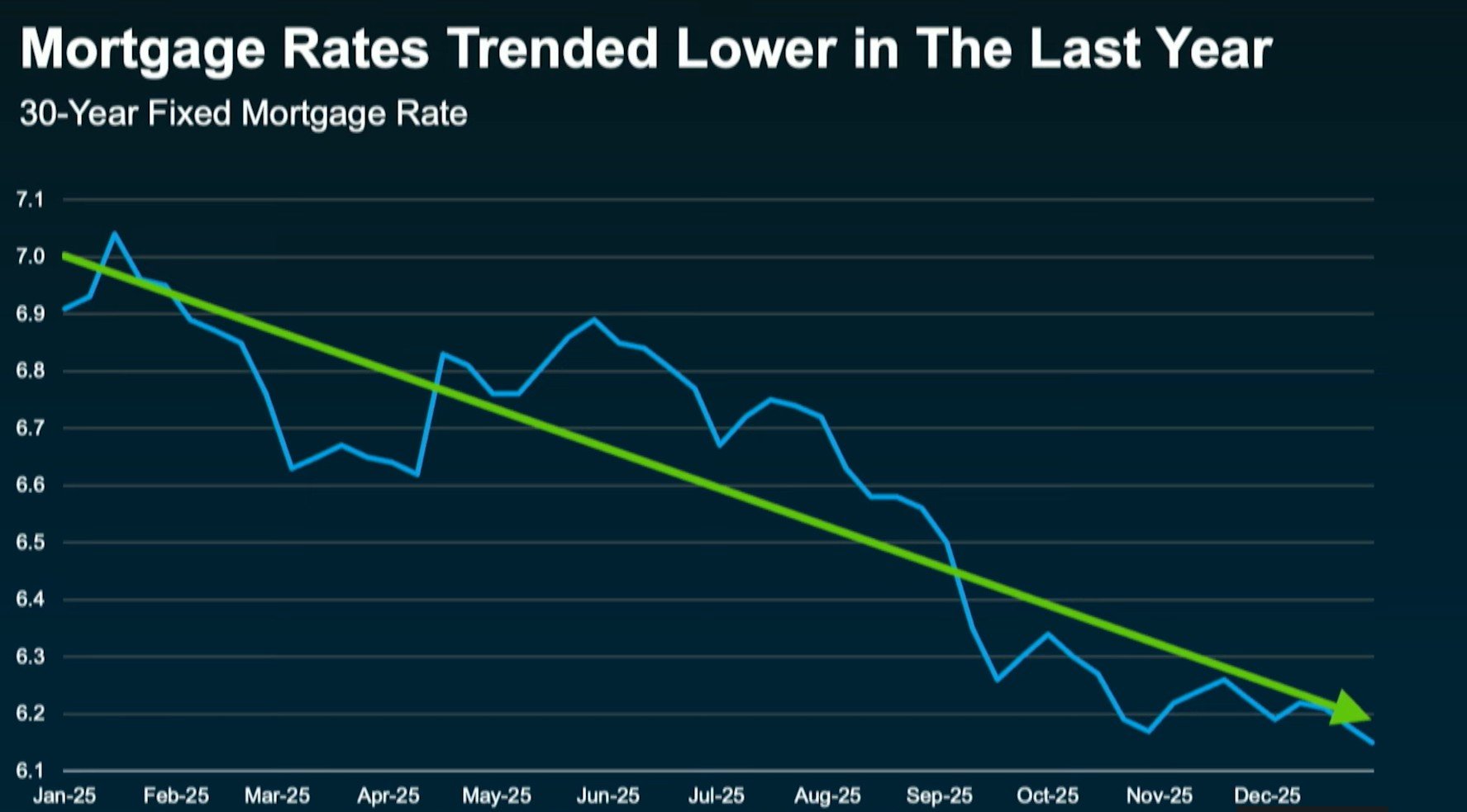
Mortgage rates peaked near 7% and have since trended downward.
What to expect in 2026:
Likely range: mid-to-high 5%
Not returning to 2–3%
Relationship banking and jumbo programs may offer lower effective rates
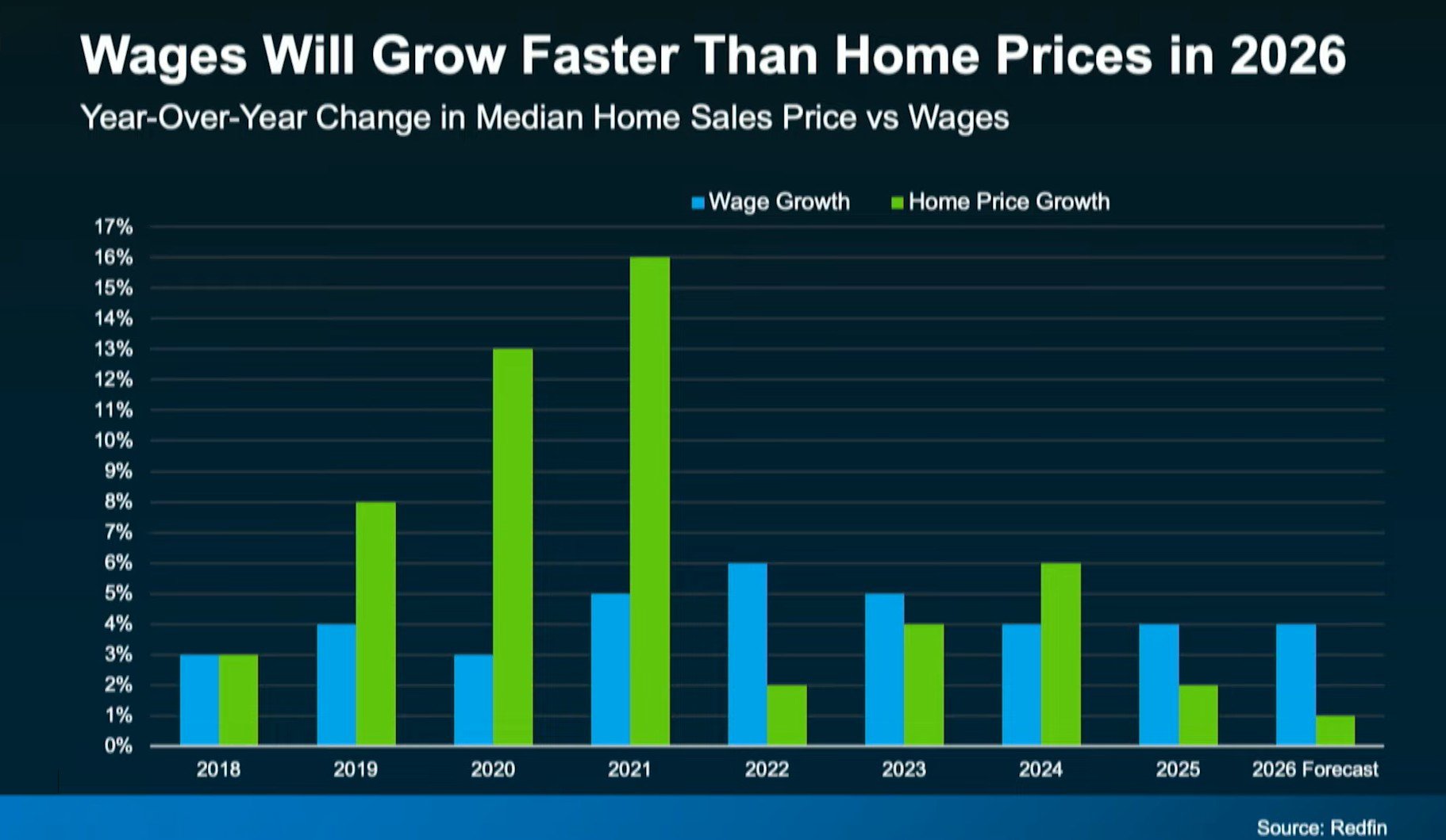
One of the strongest stabilizing forces heading into 2026 is wage growth.
For the first time in years:
Wages are projected to grow faster than home prices
Buyers regain purchasing power
Market fundamentals strengthen
Based on the data:
Homeowners are equity-rich
Inventory is normalizing
Rates are stabilizing
Wages are improving
Forced selling is absent
This is not a crash environment.
It’s a foundational market — calmer, more rational, and more strategic.
For Buyers:
There’s no rush. Inventory is improving, leverage is returning, and patience is being rewarded.
👉 Start here: Buyer Strategy Guide – Bay Area
For Sellers:
Pricing, preparation, and timing matter more than ever. Competition is increasing.
👉 Read next: Seller Strategy & Pricing Guide – San Jose
The biggest mistake buyers and sellers make is relying on national headlines instead of local data.
The Bay Area isn’t crashing — it’s recalibrating.
If you’re planning to buy or sell and want clarity based on real numbers, not noise:
Zaid Hanna
Real Estate 38
(408) 515-1613
Stay up to date on the latest real estate trends.

October 23, 2026

October 21, 2026

October 20, 2026

October 19, 2026

October 14, 2026

October 12, 2026
You’ve got questions, and we can’t wait to answer them.